 |
| Statue of Gustave Flaubert Crochet.david, CC BY-SA 3.0, via Wikimedia Commons |
Meta description: Explore the top five French novels — Madame Bovary, Les Misérables, In Search of Lost Time, The Stranger, and Germinal — and learn how their authors’ subject choices shaped modern literature and culture.
French literature has produced some of the most influential novels in world letters.
From searing social realism to introspective modernism and philosophical existentialism, French novelists have probed individual experience, social injustice, memory, and meaning.
Below are five canonical novels — each a landmark in style and subject — along with an analysis of why the authors chose their subjects and how those books changed culture, criticism, and later writers. Use this essay as an accessible guide to the top five French novels and their enduring cultural impact.

Gustave Flaubert - {{PD-US}}
Scanning Dmitry Makeev, scan date - 2019 year.,
Public domain, via Wikimedia Commons
1. Madame Bovary (1857) — Gustave Flaubert
Scanning Dmitry Makeev, scan date - 2019 year.,
Public domain, via Wikimedia Commons
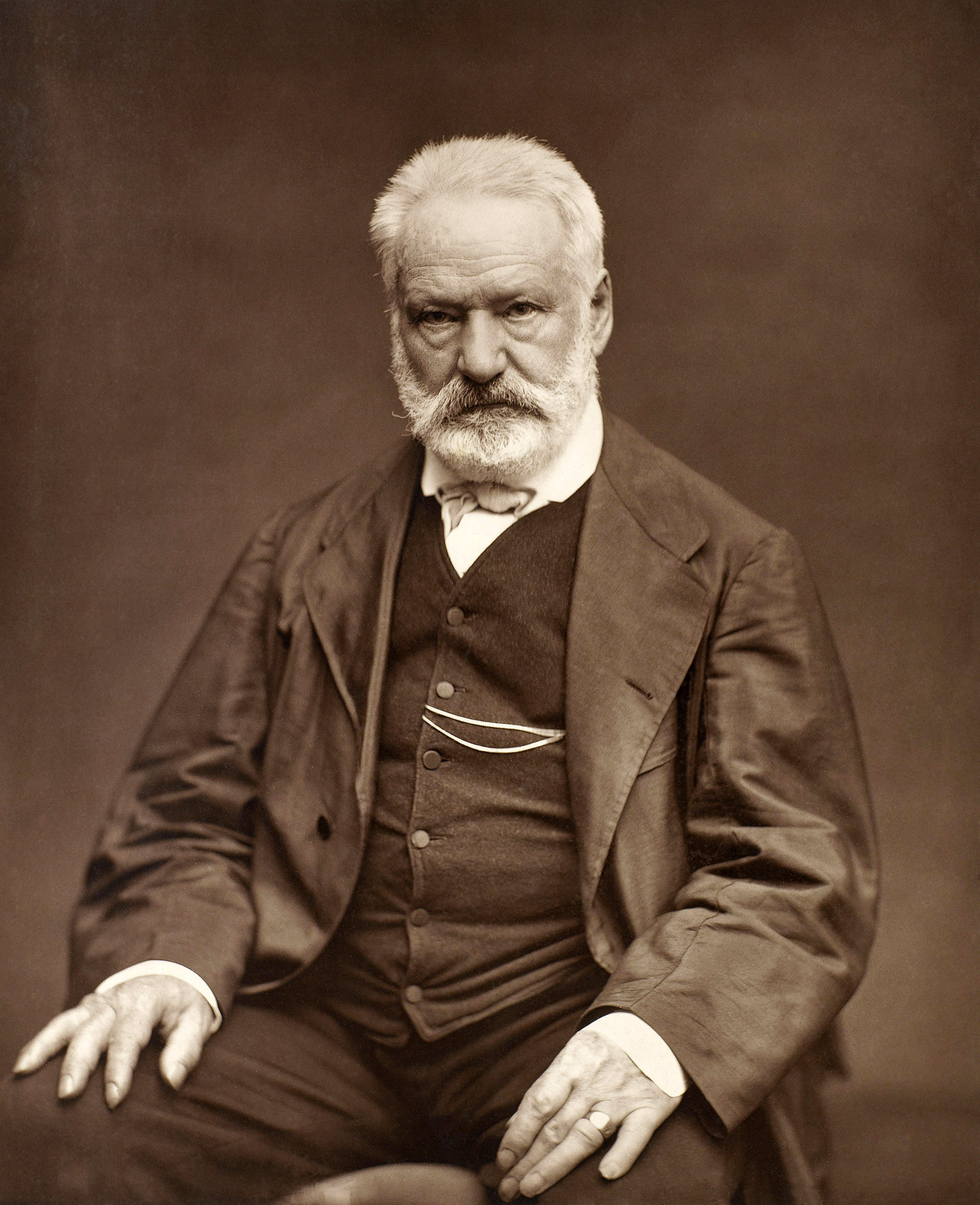
Victor Hugo
Étienne Carjat, Public domain,
via Wikimedia Commons
2. Les Misérables (1862) — Victor Hugo
Étienne Carjat, Public domain,
via Wikimedia Commons

Marcel Proust
Otto Wegener, Public domain,
via Wikimedia Commons
3. In Search of Lost Time (À la recherche du temps perdu) (1913–1927) — Marcel Proust
Otto Wegener, Public domain,
via Wikimedia Commons

Albert Camus
Barkilehet, CC BY-SA 4.0,
via Wikimedia Commons
4. The Stranger (L’Étranger) (1942) — Albert Camus
Barkilehet, CC BY-SA 4.0,
via Wikimedia Commons

Émile Zola
Émile Zola, Public domain,
via Wikimedia Commons
5. Germinal (1885) — Émile Zola
Émile Zola, Public domain,
via Wikimedia Commons
Common Threads: Why These Subjects Matter in French Letters
French novelists often foreground society’s structures and the individual’s interior life, and these five novels show different ways of balancing those poles. Flaubert and Zola focus on social reality — one from the moral scrutiny of the bourgeoisie, the other from a naturalist’s sociological gaze — while Proust and Camus turn inward, interrogating memory and existential meaning. Hugo pulls together the personal and the political by dramatizing redemption within a wider social and historical canvas.
Two recurring motives stand out:
-
Ethics and Society: Whether confronting social injustice (Les Misérables, Germinal) or moral ambiguity (Madame Bovary), French novelists use narrative to test societal norms and ethical systems. Their subject choices often aim to provoke public debate or reform.
-
Innovation in Form: Each novelist chose subjects that demanded new narrative strategies — Flaubert’s precise realism, Proust’s introspective temporality, Camus’s stripped existential clarity, Zola’s documentary naturalism, and Hugo’s epic sweep. The subjects thus drove formal innovation, shaping modern narrative techniques across languages.
Cultural Influence and Why These Novels Still Matter
These five novels not only reflect their historical moments but also exert ongoing cultural power. They have:
-
Shaped educational canons and literary curricula worldwide.
-
Influenced film, theater, and music adaptations that translated French concerns into global popular culture.
-
Inspired social movements and debates — about reform, labor rights, justice, censorship, and the ethics of representation.
-
Opened new possibilities for the novel as a space for philosophical inquiry, psychological depth, and social critique.
Whether through the trial of an author, a musical that moved millions, a madeleine that became a metaphor for memory, or a strike that stirred public sympathy, these works infiltrated both high culture and mass imagination. They teach readers how to observe, empathize, and question.
The five novels discussed here represent different but complementary strands of French literary achievement: moral realism, social epic, introspective modernism, existential clarity, and naturalist protest. The authors’ subject choices — from bourgeois boredom and collective resistance to memory and absurdity — were inseparable from their aesthetic aims.
Their cultural impact ripples through reforms, adaptations, and theoretical debates, proving that great novels can shape both private consciousness and public life. Whether you approach them for historical insight, stylistic innovation, or moral inquiry, these books remain central to understanding French literature and its worldwide influence.


